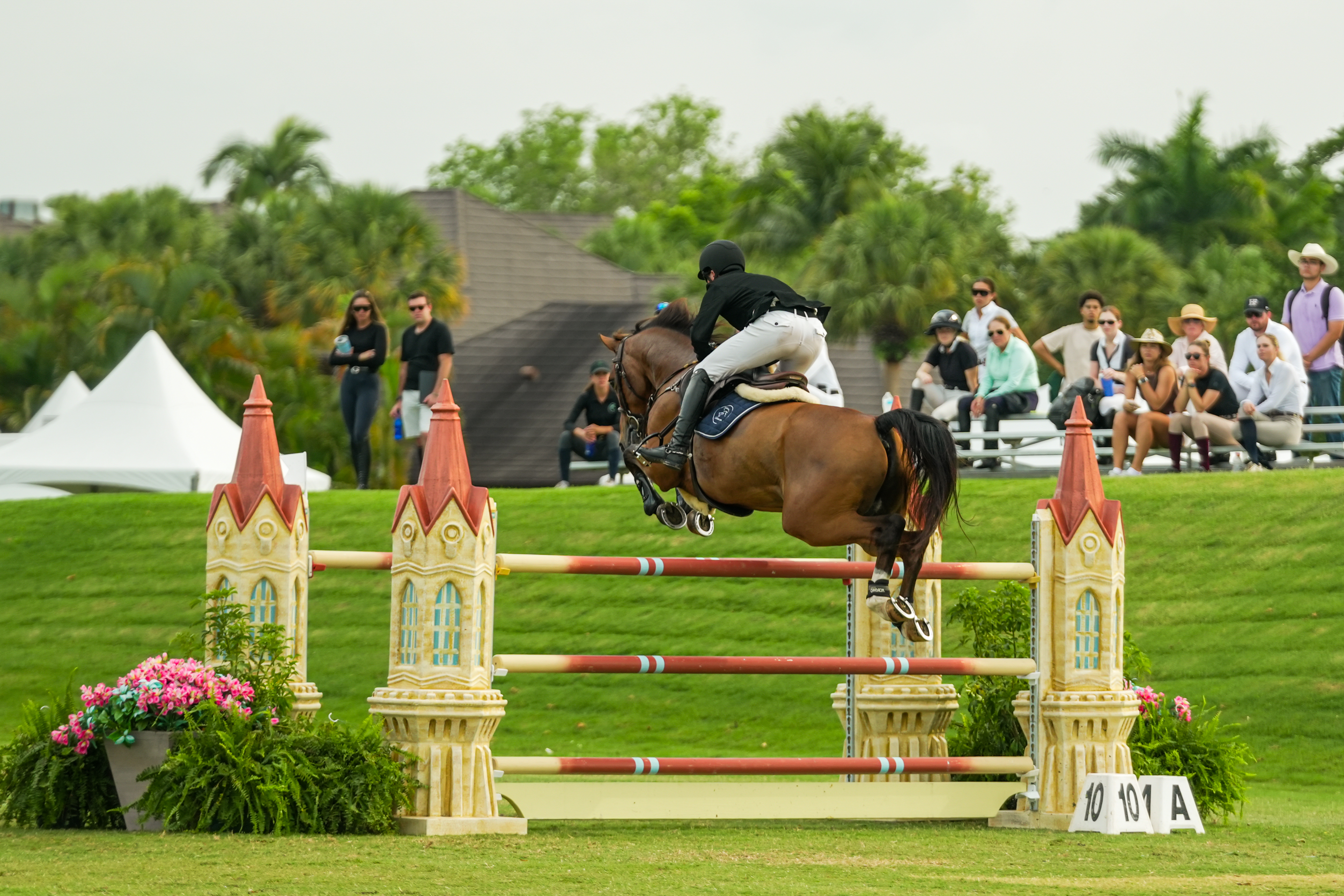
Every sale barn has a horse like this: sound, well-started, genuinely nice to ride, sitting on the market for months longer than it should — while a horse with less going for it sells in a week because the video was better. Buyers usually aren't in the barn watching these horses go in person until late in the process. They're scrolling. A listing's photos and video are doing the entire job of convincing a buyer this horse is worth a phone call, long before anyone shows up to sit on it.
A note on the numbers below. There's no formal published study measuring exactly how professional media moves horses off the market faster — the sales-horse world doesn't have anything like the transaction databases real estate has. What follows leans on two things instead: hard data from real estate, the closest comparable market (an individually priced, high-value asset a buyer decides to pursue almost entirely from photos and video before seeing it in person), and the direct, named guidance of equine sales-industry publications. Every figure is attributed below and in the sources list — nothing here is invented or presented as horse-specific data when it isn't.
Start with the comparable market, because the numbers there are real and well documented. Redfin's widely cited study on home listings found that properties photographed with professional equipment sold for measurably more than comparable homes shot on a phone:
closer to asking price for listings with professional photography, across the $200,000–$1M price range.
Source: Redfin, 2013 photography studyfaster time-to-sale for homes near $400,000 listed with professional photography.
Source: Redfin, 2013 photography studyThe gap widens once video and image quality enter the picture. The National Association of Realtors has found that listings including video draw far more interest than listings without it, and the Wall Street Journal has reported a similar pattern for photo quality alone:
more inquiries on listings that include video, compared to listings without any.
Source: National Association of Realtorsmore views on listings with professional photography versus listings without it.
Source: Wall Street JournalListings in the top 10% for photo sharpness sold at or above asking price 44% of the time — compared to just 13% of the time for listings with average-quality photos.
Source: Redfin photography study, via Wall Street Journal analysisNone of that is about horses. But the buying behavior it describes — an individual, expensive, emotionally weighted purchase decided almost entirely from a screen before anyone sets foot on the property — is close enough to how a horse actually gets sold today that it's a reasonable stand-in. And the equine sales industry's own guidance describes exactly the same pattern anecdotally, even without hard numbers behind it. eHorses, one of the larger sales-listing platforms in the industry, tells sellers plainly that professional photos and video "significantly shorten the marketing period" and "immediately increase the perceived value" of a horse, while flagging that a listing built on phone snapshots and a shaky ten-second clip simply blends into the flood of ads a serious buyer scrolls past every day.
A buyer isn't deciding whether to buy your horse. They're deciding whether your listing earns a phone call — and that decision gets made in about three seconds of scrolling.
Video specifically does the heaviest lifting, for the same reason it does in every other category of high-consideration purchase:
of consumers say video content has directly helped them decide to buy something — and 78% of marketers report video has measurably grown their sales.
Source: Lemonlight, 2026 Video Marketing StatisticsFor a sale horse, that's the difference between a buyer watching thirty shaky seconds of handheld flatwork filmed on someone's phone between lessons, and watching a real presentation: clean conformation shots from both sides, the horse moving freely and unbothered at the walk, trot, and canter on both reins, over fences if that's relevant to the sale, filmed by someone who actually knows where to stand so the gait reads honestly on camera instead of getting cut off mid-stride.
Distribution compounds it further. Short vertical video — the kind that gets seeded onto Instagram Reels and shared into group chats — consistently outperforms a static photo post:
average likes on a Reel-format video versus a standard photo post, with roughly 91 shares compared to just 17.
Source: Sprout Social, Social Media Video Statistics 2026A share means your sale horse just landed in front of a completely different circle of buyers, for free, because the media was good enough to pass along. That's reach a listing photo on its own simply can't generate — and in a market where the right buyer might be a trainer three states away scrolling their phone between lessons, reach is most of the game.
This is exactly why In Hand builds sale-horse media as its own dedicated service rather than an afterthought tacked onto a barn shoot. A proper sales package means someone who has actually ridden and shown — hunter/jumper and dressage both, flat work and over fences — standing at the rail knowing what a buyer needs to see and precisely when the horse is about to show it, rather than just pointing a camera and hoping the good stride happens to land on camera. That's the single-horse video and photo packages, the combined presentation kit for a full sale listing, and the sales-barn retainer for producers moving multiple horses through the program every month.
Sources
- Redfin, "Homes Listed with Professional Real Estate Photos Sell Quicker and For More Money" (2013 study, cited 2026)
- RubyHome, "Real Estate Photography Statistics" (citing National Association of Realtors and Wall Street Journal data)
- eHorses Magazine, "Professional Tips for Photos & Videos of Your Sales Horse"
- Lemonlight, "67 Video Marketing Stats You Need to Know" (2026)
- Sprout Social, "80+ Social Media Video Statistics Marketers Need to Know" (2026)